

If you’ve ever had a canker sore, you already know how this usually goes.
You wake up, feel that familiar sting, and think: great. You Google. You scroll. You end up on forums, old blog posts, and advice from people who sound very confident for reasons that are not entirely clear.
Over the years, I’ve noticed something interesting: no matter where you’re from, people seem to reach for natural remedies when mouth sores show up. Not because they’re anti-medicine, but because canker sores are annoying, stubborn, and often don’t respond dramatically to anything.
So here’s a collection of natural remedies people commonly use for canker sores, from different parts of the world, along with how they’re traditionally used and why people keep coming back to them.
Important (Medical disclaimer)
This is about shared experience, not prescriptions.
If you are looking for the pharmacy aisle version of symptom relief, see the companion guide on most common over-the-counter canker sore remedies (with examples). I think of these two posts as two sides of the same goal: making a sore less miserable while it runs its course.
Licorice Root (China)
In Traditional Chinese Medicine, licorice root shows up everywhere, including mouth ulcers.
People usually use it as:
- a tea
- a mouth rinse
- a small topical patch soaked in licorice extract
Why people swear by it:
- it feels soothing
- it seems to calm inflammation
- it doesn’t burn like some other remedies
It’s also one of the few remedies that feels oddly gentle, which is refreshing after years of being told that pain equals progress.
If you want a deeper dive (history, usage ideas, and actual clinical papers), see: Licorice: The Sweet Root That Soothes Mouth Sores.
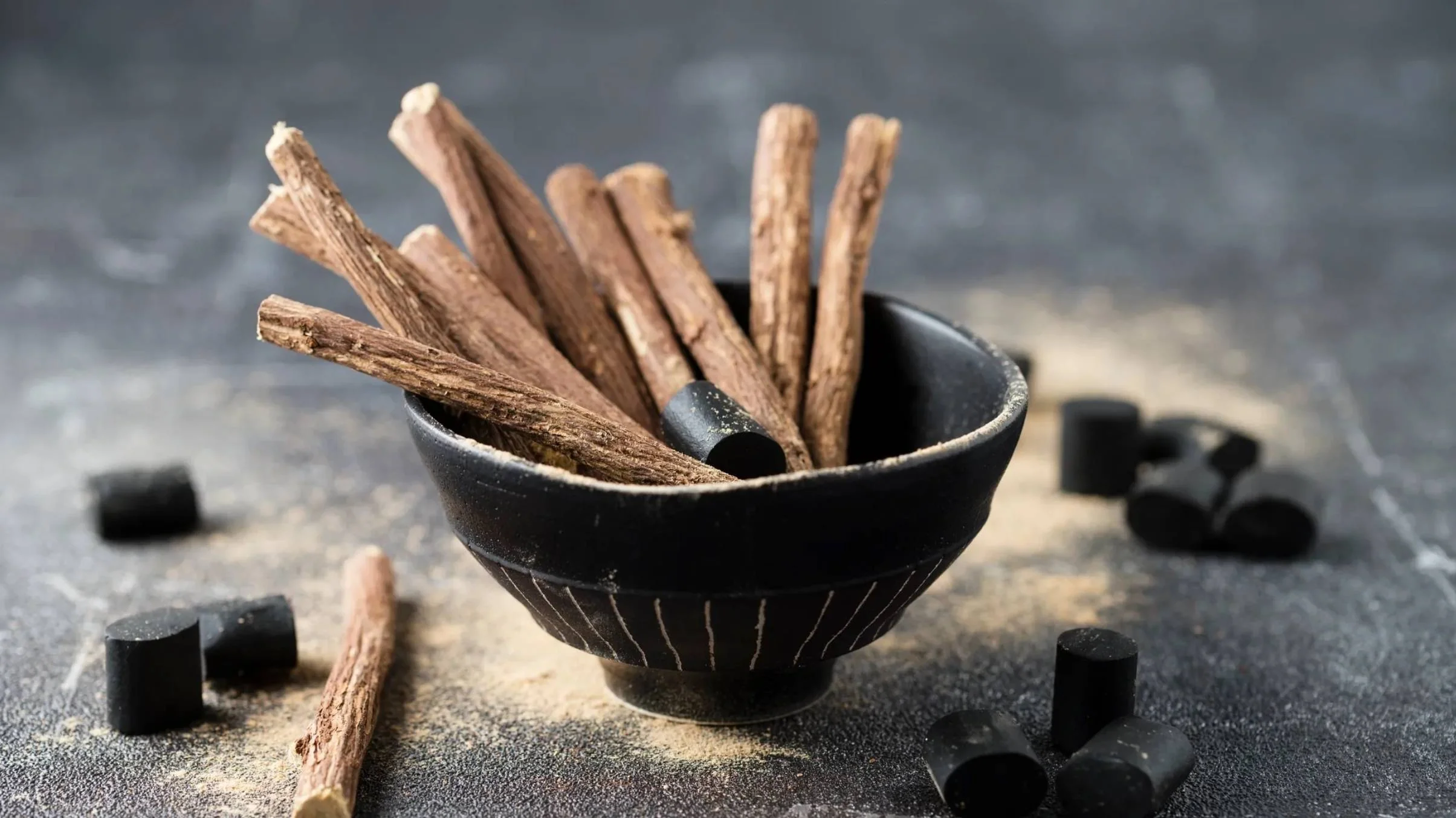
Dried licorice root, commonly used in traditional Chinese herbal medicine.
Honey (Middle East)
Honey has been used for wounds forever, and mouth sores are no exception.
Typical use:
- dab a small amount directly on the sore
- rinse with diluted honey and warm water
What people report:
- less irritation
- slightly less pain
- a protective feeling over the sore
It’s sticky. It’s messy. But when your mouth hurts, dignity is already off the table.
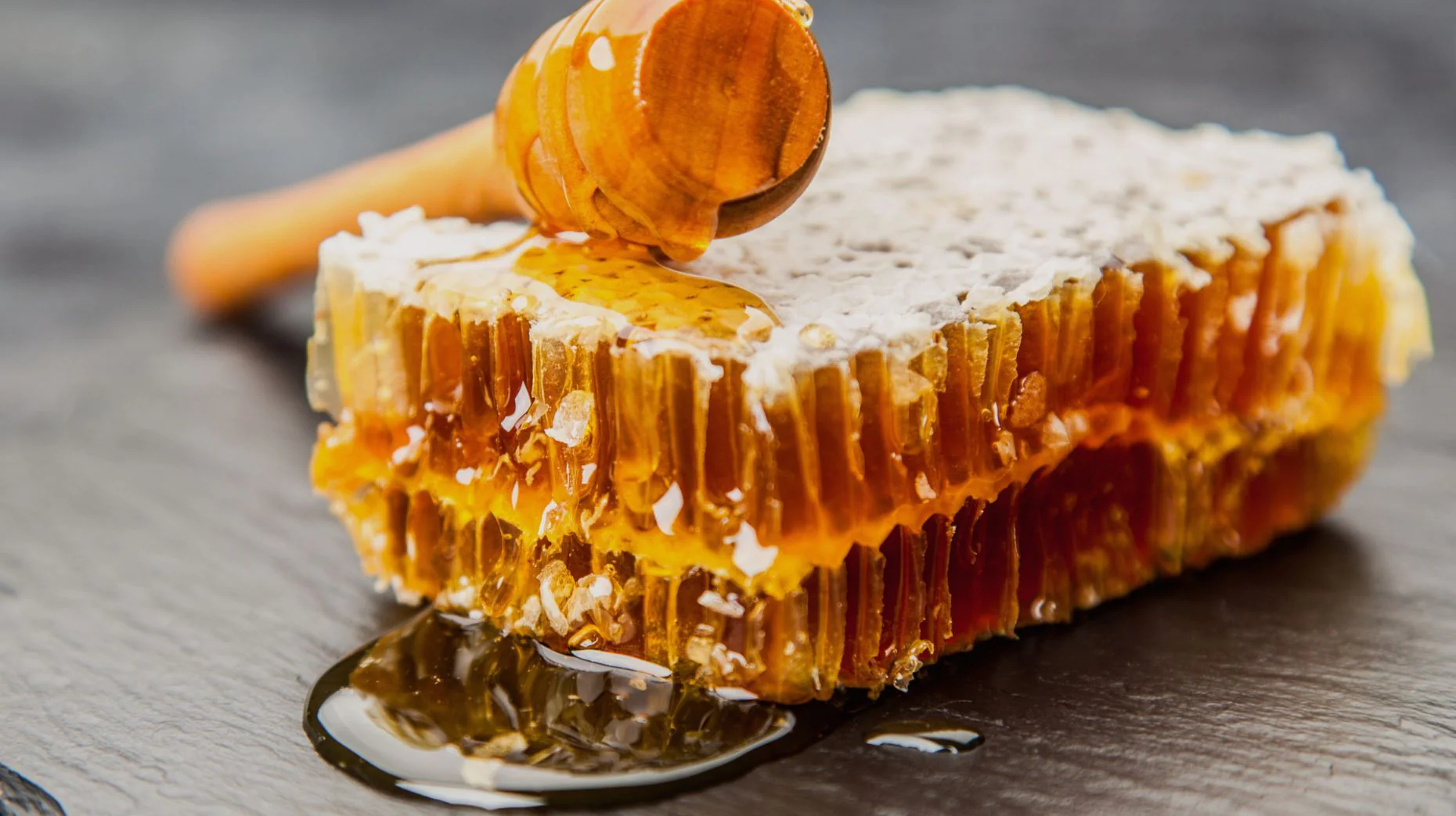
Raw honey, traditionally used for wound care and oral irritation.
Turmeric (India)
In India, turmeric is not just a spice. It’s a solution to many problems.
For canker sores, people often:
- mix turmeric powder with water or honey
- apply it directly to the sore
Fair warning:
- it’s bright yellow
- it can sting briefly
- you may look like you lost a fight with a curry
Why people keep using it:
- it feels like it does something
- the soreness often calms down after application
It’s not subtle, but neither are canker sores.
Turmeric root and powder, widely used in Ayurvedic remedies.
Chamomile (Europe)
Chamomile is the calm friend of the herbal world.
Common approaches:
- strong chamomile tea used as a mouth rinse
- chamomile-soaked cotton applied directly to the sore
Why people like it:
- it’s gentle
- it doesn’t burn
- it feels soothing rather than aggressive
This is the remedy people try when they’re tired of “tough love” solutions and just want their mouth to relax.
Personal note: chamomile and honey are what saved me a couple of weeks ago when I had a sore on my uvula, one of the worst I’ve ever had. I could not fully make it go away on demand, but it made eating and swallowing feel less brutal while it healed.
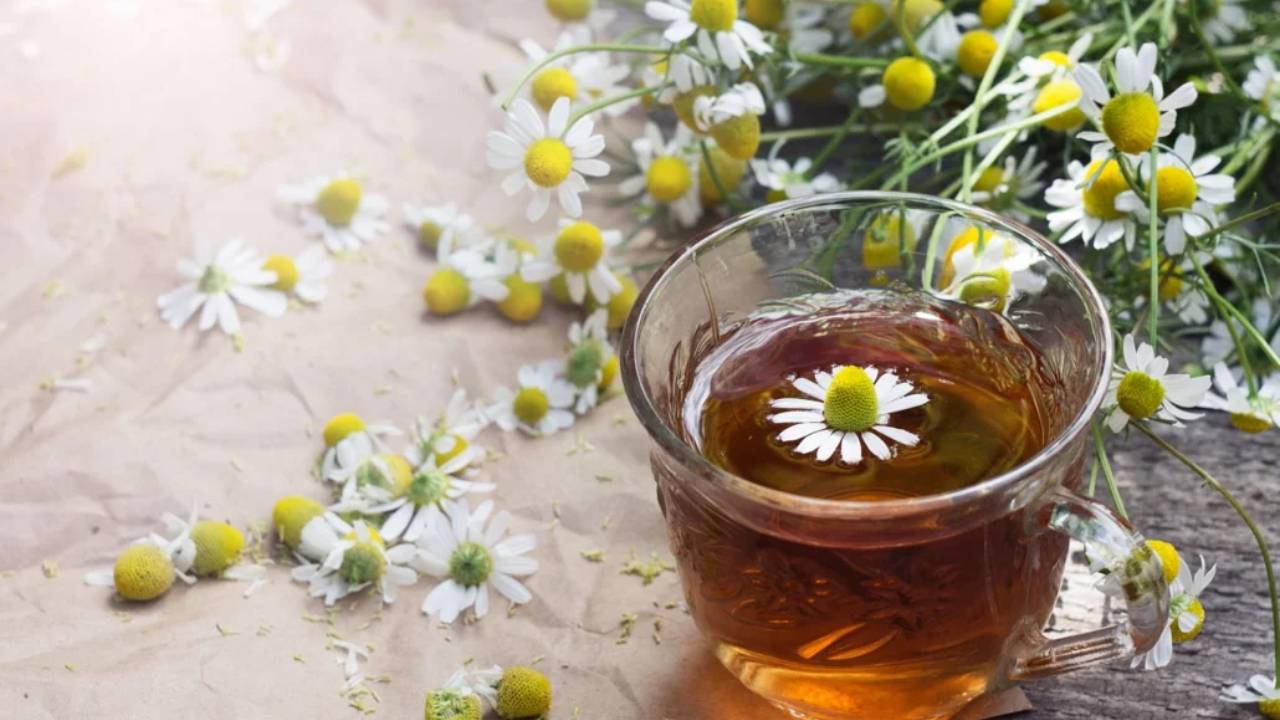
Chamomile flowers, often brewed as a soothing herbal rinse.
Aloe Vera (Mexico / Latin America)
Aloe vera is used all over the world, but it’s especially common in Latin America for burns, cuts, and mouth issues.
Typical use:
- fresh aloe gel applied directly to the sore
- commercial aloe gels labeled for oral use
What people report:
- cooling relief
- less friction
- a protective layer over the sore
It won’t make the sore disappear overnight, but it often makes existing sores more tolerable.
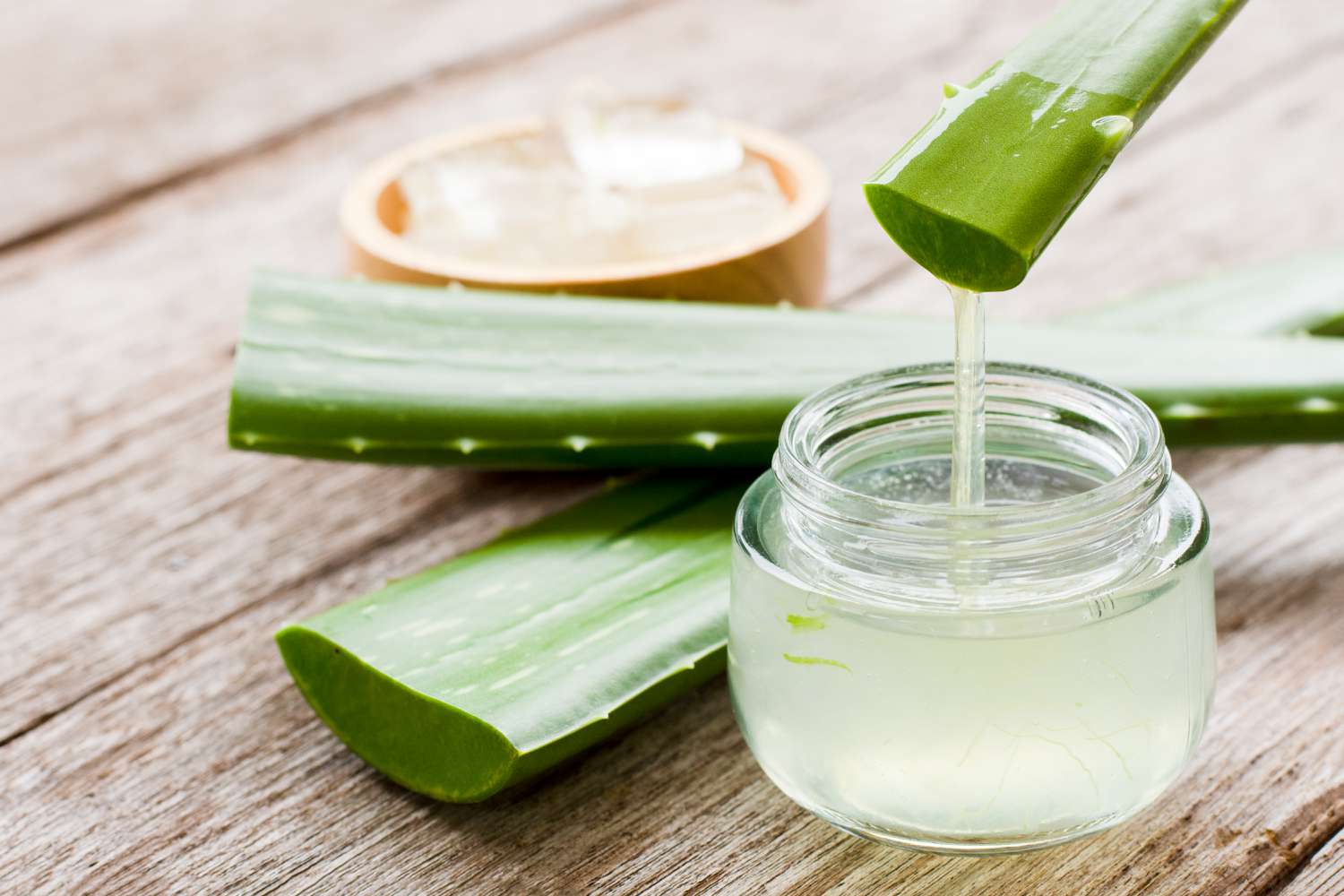
Fresh aloe vera gel extracted from the leaf.
Propolis (Worldwide)
Propolis is made by bees and looks like something you probably shouldn’t put in your mouth. And yet, many people do.
Common forms:
- sprays
- drops
- lozenges
Why people talk about it:
- it feels “strong”
- it can numb pain briefly
- some people feel it shortens how long sores last
Taste warning:
- earthy
- resin-like
- not subtle
But if you’re already rinsing with saltwater, this probably won’t scare you.
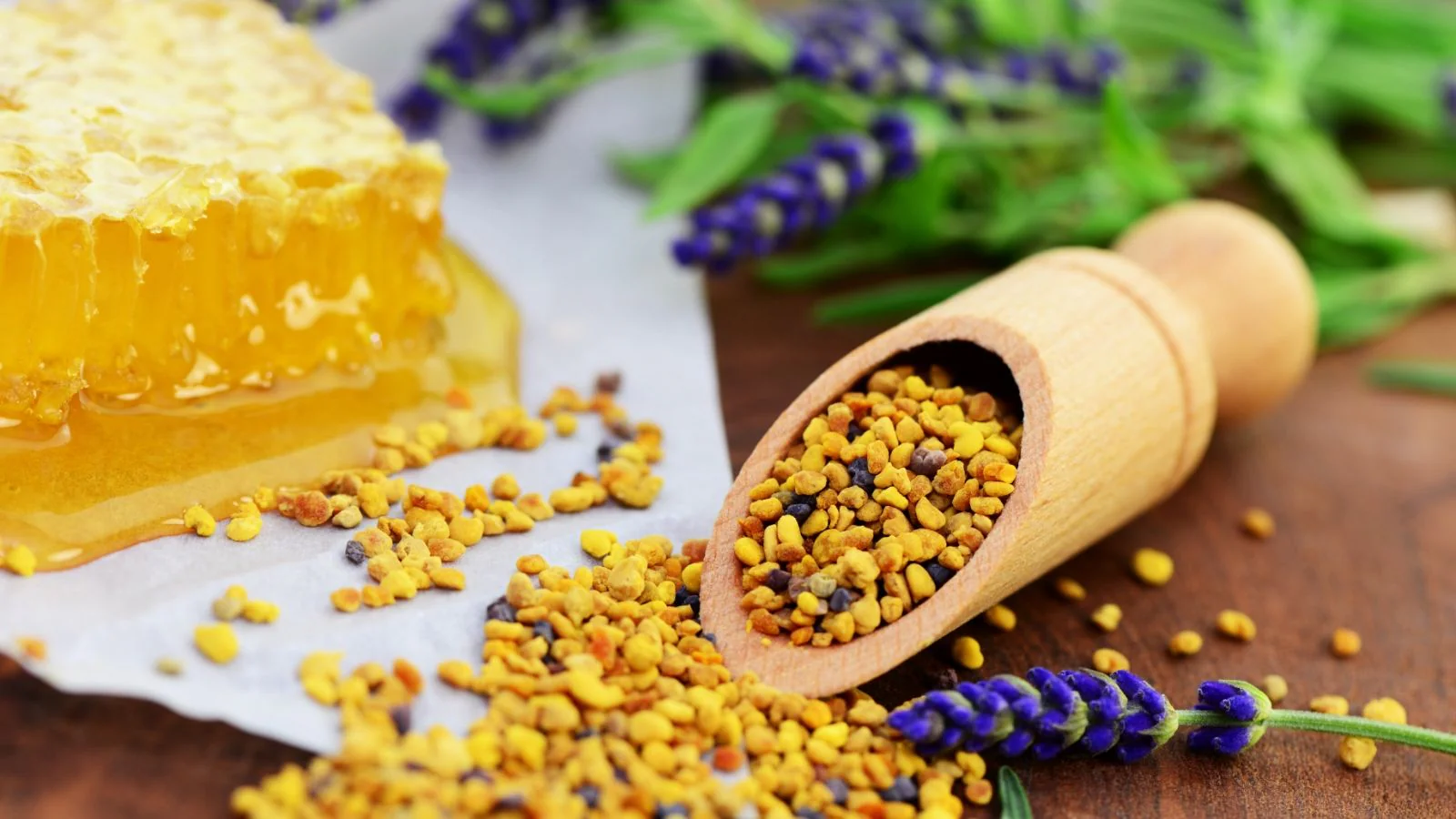
Raw propolis, a resin collected by bees and used in traditional remedies.
Guava Leaves (Philippines)
In parts of Southeast Asia, guava leaves are a go-to remedy for oral issues.
Traditional use:
- boil guava leaves
- let the liquid cool
- use it as a mouthwash
What people say:
- it feels astringent
- it can reduce irritation
- it’s especially popular when sores feel “wet” or inflamed
It’s not exactly delicious, but neither is dealing with mouth pain.
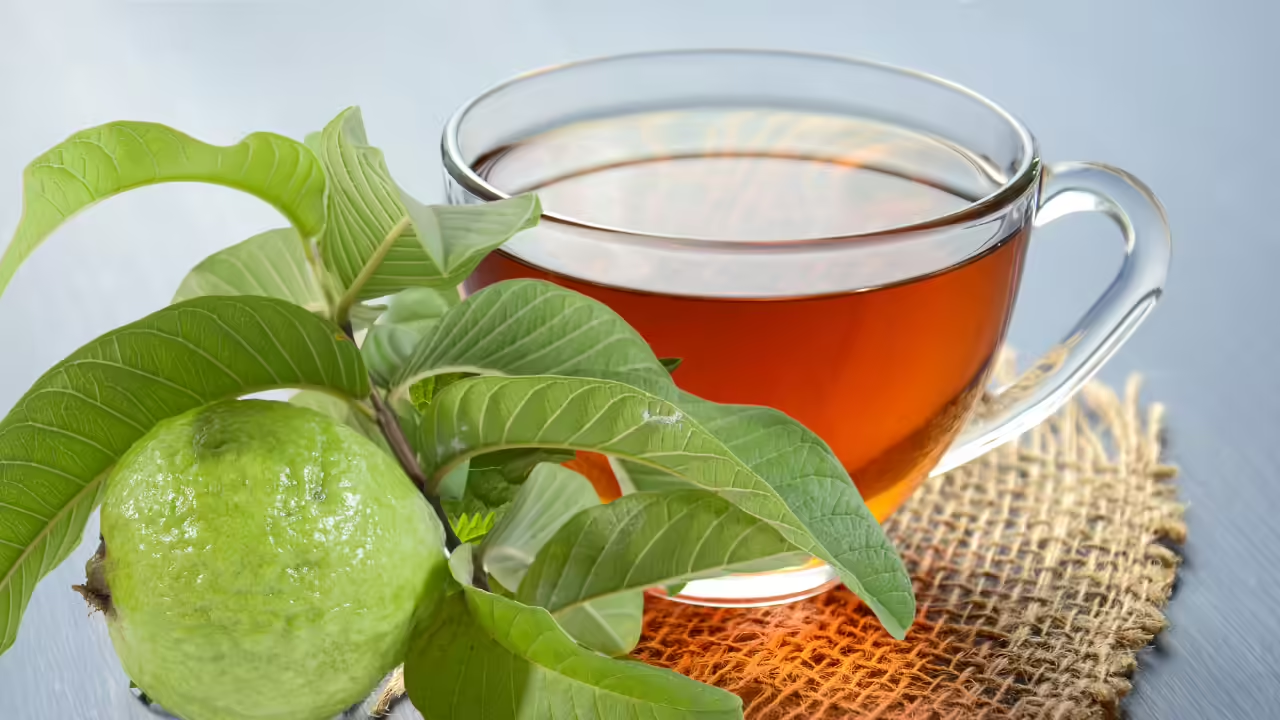
Guava leaves traditionally boiled into a mouth rinse in parts of Southeast Asia.
A pattern you may notice
Across cultures, these remedies have a few things in common:
- they focus on soothing, not curing
- they try to reduce irritation and friction
- they’re often used repeatedly, not once
- people combine them rather than relying on just one
Also worth noting: what works for one person often does nothing for another. That inconsistency is frustrating, and very normal.
A quick reality check
None of these are miracle cures. None of them work instantly for everyone. And none of them make canker sores “not a thing anymore.”
But many people find they help make life more tolerable while a sore runs its course.
Sometimes, that’s enough.