

Recently I discovered the most effective way for me to alleviate pain from canker sores for a couple of hours was to drink hot chamomile tea with honey. I tried all the usual over-the-counter gels and rinses, but nothing gave the soothing comfort of that warm cup of chamomile tea.
At first, I thought it might just be a placebo or the warmth of the tea. However, being a bit of a science nerd, I couldn’t help but dig deeper. Why did chamomile tea help my canker sore pain so much? It turns out this isn’t just a folk remedy. There’s real science behind chamomile’s soothing powers.
Important (Medical disclaimer)
This is educational and experience-based. Talk to a clinician if you have concerns, frequent ulcers, or medical conditions that change what is safe for you.
For context on where chamomile fits in the world of natural remedies, check out my companion guide: natural remedies for canker sores from around the world.
If you want to jump straight to the research, see Resources.
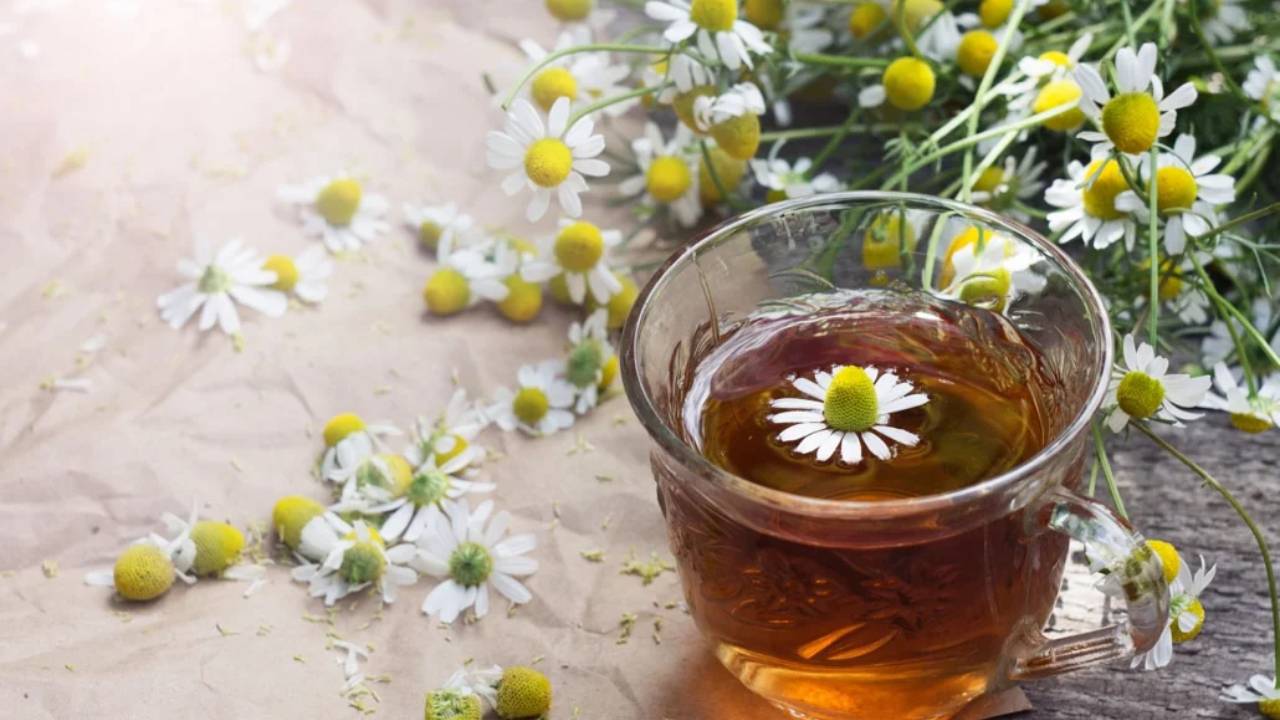
Chamomile flowers, traditionally used for their anti-inflammatory and soothing properties.
Why Chamomile Helps Soothe Canker Sore Pain
Chamomile has been used for centuries as a natural anti-inflammatory and healing herb, especially for soothing irritated skin and mucous membranes. Canker sores (a.k.a. aphthous ulcers) are essentially small ulcers with inflamed tissue, which is why anything that tamps down inflammation can provide relief.
Chamomile tea contains a cocktail of bioactive compounds (from flavonoids to essential oils) that work together to reduce inflammation and pain in the mouth.
Selective COX-2 Inhibition
One of chamomile’s well-documented effects is its ability to reduce inflammation. Studies show chamomile can selectively inhibit cyclooxygenase-2 (COX-2), an enzyme that drives the production of inflammatory prostaglandins, while sparing COX-1 (the “good” prostaglandins).
By curbing COX-2 activity, chamomile lessens the production of pain-signaling molecules like PGE₂, which means less swelling and discomfort in an inflamed canker sore. Researchers found that chamomile extract lowered prostaglandin release in immune cells and overall acted as a natural COX-2 inhibitor.
This anti-inflammatory action is a big part of why a chamomile mouth rinse (or a cup of tea you swish and sip) can calm the redness and raw pain of a mouth ulcer (Srivastava et al., 2010).
Immune Response Moderation
Chamomile doesn’t stop at prostaglandins. It also appears to moderate our immune response in the local tissue. Components of chamomile can inhibit the release of inflammatory cytokines and enzymes in the sore.
For example, one study noted that chamomile (particularly its flavonoids) blocked LPS-induced inflammation, preventing the activation of NF-κB (a pro-inflammatory switch) and thereby reducing levels of inflammatory messengers like IL-6 and TNF-α.
In plain English: chamomile turns down the volume on the body’s inflammatory alarm system in the area of the canker sore. Less inflammatory signaling = less pain and irritation.
One review discussing chamomile’s anti-inflammatory and immunomodulatory activity: (Borchers et al., 2004).
Mild Analgesic and Calming Effect
Chamomile may even provide a mild analgesic (pain-relieving) effect of its own. Beyond reducing inflammation (which itself relieves pain), some chamomile compounds directly affect pain perception.
Interestingly, chamomile has a gentle sedative property. It’s famous for helping people relax or sleep. This is partly due to compounds like apigenin binding to benzodiazepine receptors in the brain. While drinking chamomile tea for a canker sore isn’t the same as taking a painkiller, the overall calming effect (and perhaps a bit of muscle relaxation) can make the pain feel more tolerable.
And if you’re less anxious about the sore, you perceive less pain. That’s a nice little bonus from chamomile’s calming nature.
If you want the receptor-level discussion, see: (Avallone et al., 2000).
Chamomile’s All-Star Ingredients and How They Work
What’s in chamomile that makes it such a potent soother? The magic lies in a few key compounds found in the chamomile flower. Let’s break down the all-stars and how they interact with inflamed oral tissue at the chemical level:
Apigenin (a flavonoid)
Apigenin is one of chamomile’s most abundant flavonoids and a major reason chamomile works its anti-inflammatory mojo. Apigenin has been shown to inhibit the NF-κB pathway, essentially preventing activation of the master switch that turns on inflammation.
It also reduces the production of inflammatory cytokines; in immune cell studies, apigenin dramatically decreased interleukin-6 (IL-6) and TNF-α levels. By suppressing these cytokines (which are like “pain fertilizer” for a sore), apigenin helps dial down swelling and pain in the ulcerated tissue.
Fun fact: Apigenin doesn’t just exist in chamomile. It’s found in many plants we eat. Parsley, celery, and thyme are particularly rich in apigenin, as are some fruits like oranges. So if you’re munching on celery or parsley, you’re getting a tiny dose of the same flavonoid that gives chamomile its anti-inflammatory punch!
A helpful apigenin-focused paper: (Zhao et al., 2017).
Chamazulene (an azulene terpenoid)
Chamazulene is the compound that gives chamomile essential oil that deep blue color (if you’ve ever seen blue chamomile oil, that’s chamazulene!). It’s not present in the fresh flowers initially but is formed during the heating/steeping process from a precursor called matricin.
Chemically, chamazulene is a powerful anti-inflammatory agent. It works by inhibiting the synthesis of leukotriene B4 (LTB₄) and scavenging free radicals produced in inflammation. LTB₄ is a molecule that attracts immune cells and amplifies inflammation, so blocking it leads to less swelling and irritation at the sore site.
In neutrophils (white blood cells), chamazulene also curbs the peroxidation of arachidonic acid, essentially preventing the cascade that would produce more inflammatory prostaglandins. In short, chamazulene puts out the “fire” of inflammation.
This compound isn’t unique to chamomile either; yarrow (Achillea) and blue tansy (Tanacetum annuum) are other blue-blooming herbs that contain chamazulene in their oils.
Chamazulene / anti-inflammatory mechanism reference: (Saeed & Sabir, 2004).
α-Bisabolol (a sesquiterpene alcohol)
Bisabolol is a major component of chamomile’s essential oil. It’s a viscous, sweet-smelling oil with potent bioactivity. This compound is a workhorse for healing: it’s anti-inflammatory, analgesic, and antimicrobial.
At the molecular level, (-)-α-bisabolol has been shown to downregulate the expression of inflammatory enzymes like COX-2 and iNOS (inducible nitric oxide synthase) by blocking NF-κB and AP-1 signaling pathways. What does that mean for your canker sore? It means less nitric oxide and fewer prostaglandins at the site of the ulcer, translating to reduced pain, redness, and swelling.
In animal studies, bisabolol also lowered levels of TNF-α in inflammatory lesions and prevented leukocytes from flooding the area. Notably, bisabolol’s pain-relief appears to be peripheral (localized) rather than central. It doesn’t numb you like a topical anesthetic, but by quelling the inflammatory process it indirectly dulls pain.
This is supported by research in rodents: bisabolol reduced pain behaviors in inflammatory pain models but didn’t affect pain response to a direct heat stimulus. Essentially, it stops pain at the source (inflammation), instead of simply masking it.
Outside of chamomile, α-bisabolol is found in the essential oil of the candeia tree (Vanillosmopsis). In fact, a lot of commercial bisabolol is distilled from candeia wood. It’s also present in Myoporum plants and even in small amounts in cannabis flowers.
Bisabolol anti-inflammatory reference: (Oliveira et al., 2016).
How They Work Together
These three ingredients, apigenin, chamazulene, and bisabolol, work in concert when you brew a cup of chamomile. Chamomile tea (an aqueous extract) will contain lots of flavonoids like apigenin glycosides, while a chamomile tincture or oil would deliver more of the chamazulene and bisabolol.
In a simple hot-water infusion (tea), you’re still getting enough of these compounds to matter. Apigenin-7-O-glucoside, for instance, is plentiful in chamomile tea. So when you sip that tea or use it as a mouth rinse, you’re essentially bathing the sore in a natural anti-inflammatory solution.
Over a few minutes of swishing and sipping, those compounds penetrate the mucous membrane and start to take effect on the raw ulcer surface.
What Do Clinical Studies Say?
Anecdotes are great, but does science back this up? The answer is yes. There’s growing clinical evidence that chamomile helps with oral sores and pain relief. My personal experience turned out to be more than just luck. Here are some research highlights:
Chamomile Mouthwash Clinical Trial
In a randomized, triple-blind clinical trial (the gold standard of studies) with patients suffering from recurrent canker sores, a chamomile tincture mouthwash significantly reduced pain and sped up ulcer healing compared to a placebo.
Patients rinsed three times a day with either chamomile or placebo. By day 4, the chamomile group’s mouth pain and burning sensation had plummeted. Their pain scores were near zero, while the placebo group was still hurting (VAS pain ~0.5 vs 4.8 on a 10-point scale).
Even the number and size of ulcers shrank faster in the chamomile group; by day 6, the chamomile-treated ulcers had essentially healed up, whereas the placebo group still had ulcers. No side effects were noted.
The study concluded that chamomile mouth rinse was effective in controlling the pain and can be recommended as a safe alternative treatment for RAS (recurrent aphthous stomatitis). That’s pretty impressive. It means chamomile wasn’t just comforting; it measurably improved the condition in a controlled clinical setting.
Paper link: (Mansourian et al., 2011).
Pain Relief Meta-Analysis
One review that’s often cited for chamomile’s oral/dental uses (including pain outcomes across multiple studies): (Miraj & Alesaeidi, 2016).
In fact, chamomile not only reduced pain but also maintained oral mucosal integrity and promoted tissue recovery in these studies. The takeaway is that across multiple trials, chamomile showed real benefits in oral pain relief, aligning perfectly with that soothing feeling I got from my mug of tea.
Comparisons to Standard Treatments
Some studies have even compared chamomile to conventional treatments. For instance, one trial compared a chamomile-based treatment to hydrocortisone cream for oral lesions and found chamomile was about 60% as effective as a mild steroid cream in healing lesions.
Considering hydrocortisone is a pharmaceutical anti-inflammatory, chamomile holding its own (with essentially no side effects or contraindications) is encouraging. It reinforces that chamomile’s effects are not placebo. They’re pharmacological, though gentler.
Chamomile has the advantage of being low-risk and gentle on tissues (it’s actually slightly antiseptic and helps prevent secondary infection in sores).
Practical Application Considerations
Now, most of these studies used concentrated forms like chamomile extracts, tinctures, or gels applied directly to the ulcers. My approach was simply drinking the tea (and I also sort of held the warm tea in my mouth for a bit to bathe the sore).
While a tea is less concentrated than a tincture, the heat and the act of swishing help extract those compounds and apply them to the sore. In practice, many people use a chamomile tea bag as a compress on a canker sore. That’s a traditional remedy for a reason (the moist heat plus chamomile’s actives do wonders).
The Honey Factor
And don’t forget the honey I added. Honey itself is known to aid mouth ulcers by forming a soothing coating and has antimicrobial and healing properties. One clinical study in Saudi Arabia found that topical honey was more effective than steroid ointment in reducing canker sore pain and size. Sweet news for honey lovers!
So my hot chamomile tea with honey was kind of a double-whammy of natural goodness: chamomile attacking the inflammation, and honey helping to protect the sore and promote healing.
Active Ingredients Found in Other Plants
It’s interesting to note that the same chamomile compounds helping my canker sore are present in other plants and herbs we might encounter:
Apigenin: Also found in parsley, celery, celeriac, and oranges, as well as other herbs like oregano and basil. If you enjoy a Mediterranean diet rich in herbs and veggies, you’re likely getting apigenin regularly. (Parsley tabbouleh, anyone?)
Chamazulene: Besides chamomile, chamazulene shows up in yarrow and blue tansy (sometimes called Moroccan chamomile). These plants yield blue essential oils used in skincare for their anti-inflammatory properties. Wormwood (Artemisia absinthium) is another plant that contains azulene derivatives. Historically, these “blue oils” have been used to soothe skin irritations much like chamomile.
α-Bisabolol: Common in German chamomile by definition, but it’s also the primary active in the Brazilian candeia tree bark oil. Interestingly, cannabis plants contain bisabolol as a minor terpene. Some cannabis strains are noted for a chamomile-like sweet aroma due to bisabolol. And a shrub called Myoporum (an Australian native) contains bisabolol too.
Knowing this, we can appreciate that when we use chamomile, we’re tapping into a broader spectrum of botanical medicine. Chamomile just happens to be a superstar because it packages several of these compounds together in significant amounts, making it a one-stop anti-inflammatory, analgesic, antimicrobial shop.
Resources
- Zhao et al., 2017 — apigenin anti-inflammatory effects
- Miraj & Alesaeidi, 2016 — chamomile in oral/dental conditions (PMC)
- Oliveira et al., 2016 — α-bisabolol anti-inflammatory effects
- Mansourian et al., 2011 — chamomile mouthwash trial for aphthous ulcers
How to Use Chamomile for Canker Sores
Based on my experience and the research, here are some practical approaches:
Simple Tea Method (My Approach)
- Brew a strong cup: Use high-quality chamomile tea (loose leaf or good tea bags). Let it steep for at least 5-10 minutes to extract those bioactive compounds.
- Add honey: A spoonful of raw honey adds additional soothing and healing properties.
- Hold and sip: Instead of just drinking, hold the warm tea in your mouth for 30-60 seconds, letting it bathe the sore.
- Repeat as needed: I found relief lasted a couple of hours, so I’d have a cup 2-3 times per day when dealing with a painful sore.
Tea Bag Compress
Many people use a cooled (but still warm) used chamomile tea bag as a direct compress on the sore. The moist heat plus concentrated chamomile can provide targeted relief.
Mouth Rinse
Brew a strong chamomile tea, let it cool to a comfortable temperature, and use it as a mouth rinse. Swish gently for 1-2 minutes, 2-3 times per day.
Concentrated Options
If you want something more like what was studied in clinical trials, look for chamomile tinctures, extracts, or oral gels specifically formulated for mouth sores. These will have higher concentrations of the active compounds.
Note (Temperature matters)
The warmth of hot tea can be soothing for some people, but if your sore is particularly sensitive, try letting the tea cool to lukewarm. Some people find cold chamomile tea more comfortable.
Wrap-Up: Sip Back and Heal
After learning all this, I feel even better about my chamomile tea habit. What started as a personal “hack” for canker sore pain now has a satisfying explanation: Chamomile is loaded with natural chemicals that calm inflammation and promote healing. It’s not magic or wishful thinking. It’s botany and biochemistry at work in a humble cup of tea.
The flavonoids and terpenoids in chamomile target the same inflammatory pathways that expensive oral gels and rinses try to manage, but in a gentler way and without harsh side effects.
So next time you’re dealing with a painful canker sore, it might be worth giving this old-fashioned remedy a try. Brew a strong cup of chamomile tea (let it steep well to extract those goodies), maybe add a spoon of honey, and either drink it slowly or use it as a warm mouth rinse.
The heat will stimulate circulation and comfort the area, while the chamomile constituents get to work on the inflammation. For a couple of hours, you could find sweet relief like I did. And now you’ll know, as you blissfully say “ahh”, that it’s not just in your head.
Chamomile is truly doing some heavy lifting for that healing process, one sip at a time, backed by both tradition and science. Cheers to that!
For other natural options, see my guide on natural remedies for canker sores from around the world. And if you’re curious about the pharmacy options, check out most common over-the-counter canker sore remedies.